
About the project
About the Dion's Pizza Project
Dion's Pizza Deals started as a small cooking project in New York with a simple goal: teach people to make pizza at home that stands up to what they'd order out. We're not a restaurant chain and we're not a faceless recipe blog. We're a kitchen team that cooks, tests, and teaches the same doughs we sell.
How the project began
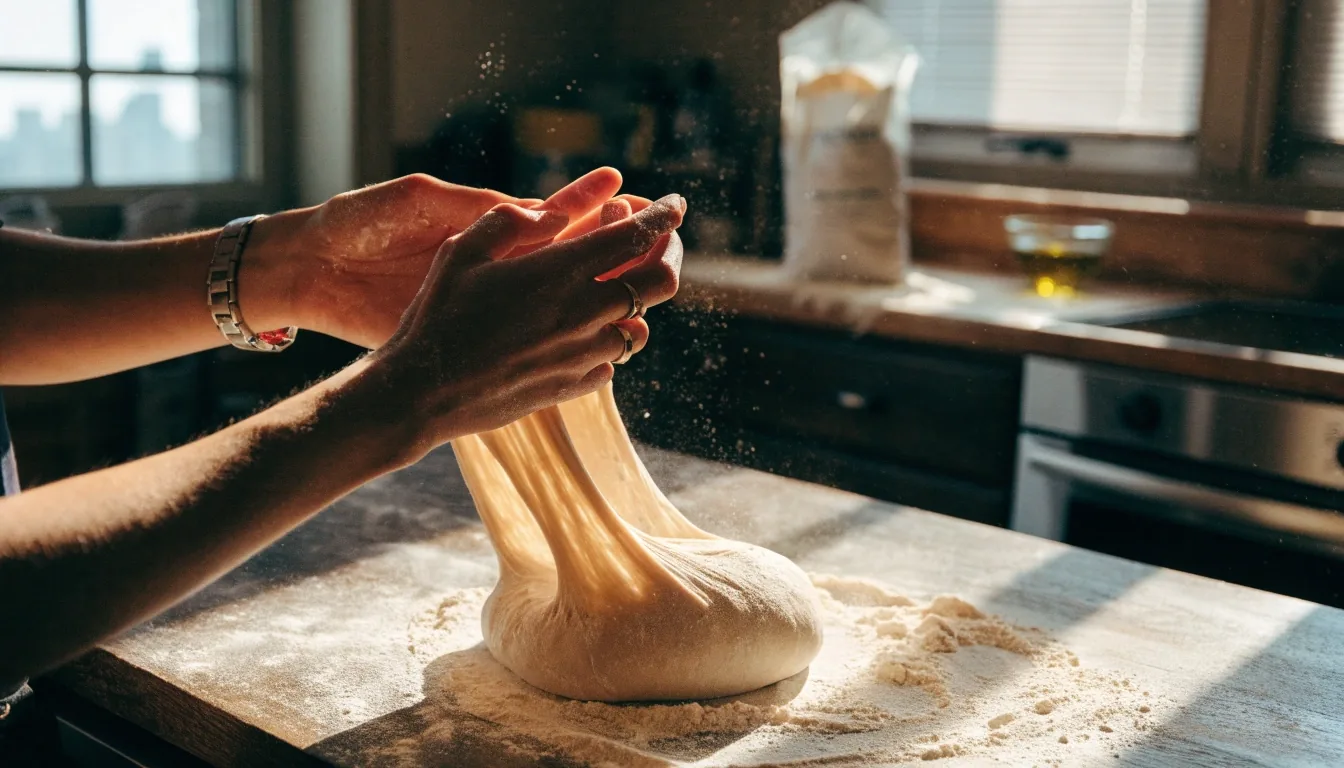
The project grew out of years of home baking and a stubborn question: why is good pizza so hard to make at home? The answer kept coming back to dough, fermentation, and oven heat. So we built recipes and classes around exactly those three things. Everything we publish is something we cook ourselves first.
That test-first habit shapes everything downstream. A dough gets mixed, rested, stretched, and baked on our own bench before a single line of it reaches a recipe card or a class handout. When a method only works in a professional deck oven, it doesn't ship — because the people we teach are baking in ordinary apartment kitchens, not in a pizzeria.
"Why is good pizza so hard to make at home?" stayed the question long enough that we built the whole project around answering it honestly.
Dough
Hydration, flour choice, and how a ball feels when it's ready to stretch.
Fermentation
Cold proofing windows that fit a working week, not a test kitchen schedule.
Oven heat
Getting real color and lift out of the home oven you already own.
The kitchen team
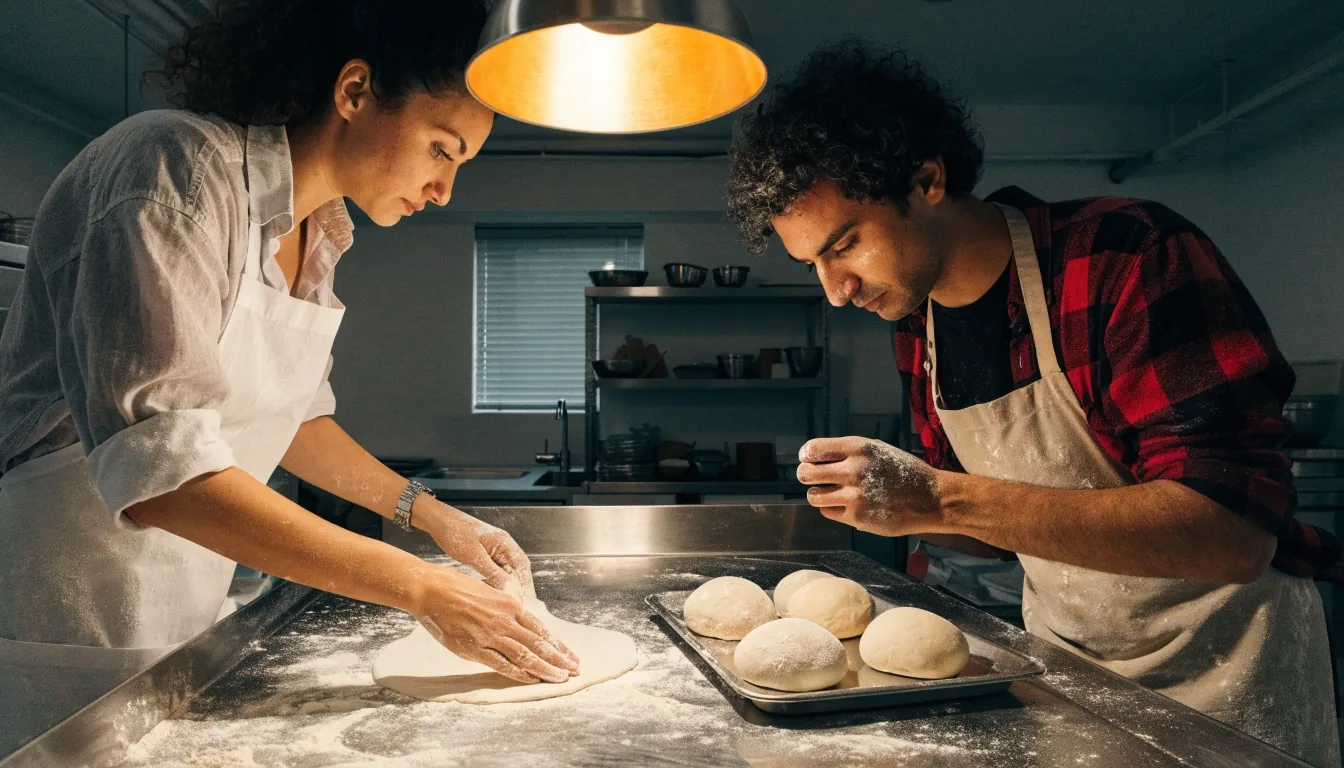
Our instructors are home cooks who went deep on pizza, not chefs performing for a camera. They've spent the time failing at dough, over-proofing, and burning bottoms, and they teach from that experience. What they share is a real understanding of how dough behaves in an ordinary kitchen. That's the perspective we think is most useful to you.
Each instructor keeps a working notebook of what went wrong and why — a dough that over-proofed on a humid afternoon, a bake that ran two minutes long and dried the crumb. Those notes become the caveats in our classes, so you hear about the failure modes before you hit them.
What we teach and why
A recipe gets you one dinner. Understanding the dough gets you years of them.
We teach technique, not just recipes. The goal is for you to understand hydration, proofing, and stretching well enough to adjust when something changes. That's why our classes cover the why behind each step — why a wetter dough slackens, why a cold ferment slows and deepens flavor, why a hot stone changes the crust's underside. When your kitchen runs colder than ours did, you'll know which dial to turn instead of following a sheet blindly.
Learning from the wider pizza world
We pay attention to the people shaping pizza in America and Italy. Anthony Mangieri's Neapolitan discipline at Una Pizza Napoletana, Gabriele Bonci's airy Roman doughs, and the Sicilian-influenced square pans of Detroit all inform how we think about style. We translate those ideas into methods a home cook can use. The point is to make the craft accessible, not intimidating.
Neapolitan
High heat, soft crumb, and a quick bake. We show how to approach that character in a home oven with a steel or stone and a preheat long enough to matter.
Roman
Airy, open-crumbed doughs with a longer fermentation. We walk through the hydration range that keeps a high-moisture dough workable instead of sticky and unmanageable.
Detroit-style
Sicilian-influenced square pans with a crisp, cheesy edge. We cover pan handling, oiling, and why a slower proof makes the corners worth eating first.
Style is a set of trade-offs, not a loyalty test. Learn the trade-offs and you can borrow from any of them without losing the result.
Our approach to recipes
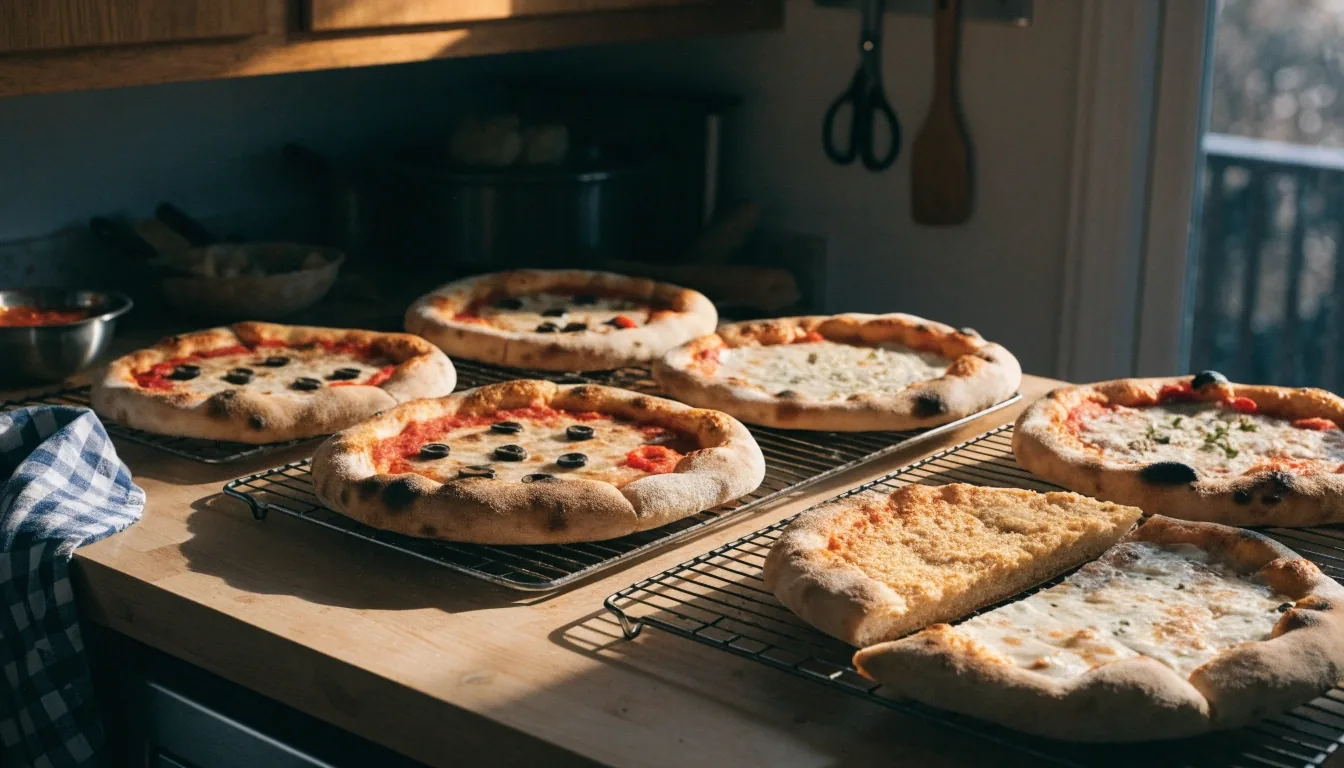
Every recipe is tested in a home oven before it's published. We list ingredients by weight, give clear proofing windows, and flag the steps where things commonly go wrong. We don't hide a long fermentation in a footnote or assume you own specialty equipment. If a recipe needs something unusual, we say so up front.
- Ingredients by weight — grams you can repeat, not cups that drift.
- Clear proofing windows — a range that fits real schedules.
- Flagged trouble spots — where doughs usually go sideways.
Where we cook and teach
Our kitchen is at 482 Mulberry Street in New York, NY 10013. It's where in-person masterclasses run and where recipes get tested. Online classes reach cooks who aren't in the city. The same methods apply whether you're across town or across the country.
Kitchen and studio
482 Mulberry Street, New York, NY 10013, USA
Phone: +1-212-555-0194
Email: [email protected]
Monday to Friday: 9:00 AM – 6:00 PM; Saturday: 10:00 AM – 4:00 PM
Who these classes are for
The recipes and classes suit a range of cooks. Beginners get a forgiving first dough and clear guidance. Experienced home bakers get the fermentation detail and style depth they're looking for. If you've ever wanted to understand why your crust does what it does, you're in the right place.
If you're starting out
A first dough that forgives small mistakes, a short proof, and a bake that works with one tray and one stone. You'll finish your first pie and know what to change next time.
If you already bake
Longer fermentations, hydration ranges, and style-by-style trade-offs, so you can push a crust closer to the character you're chasing at home.
Cook with us next
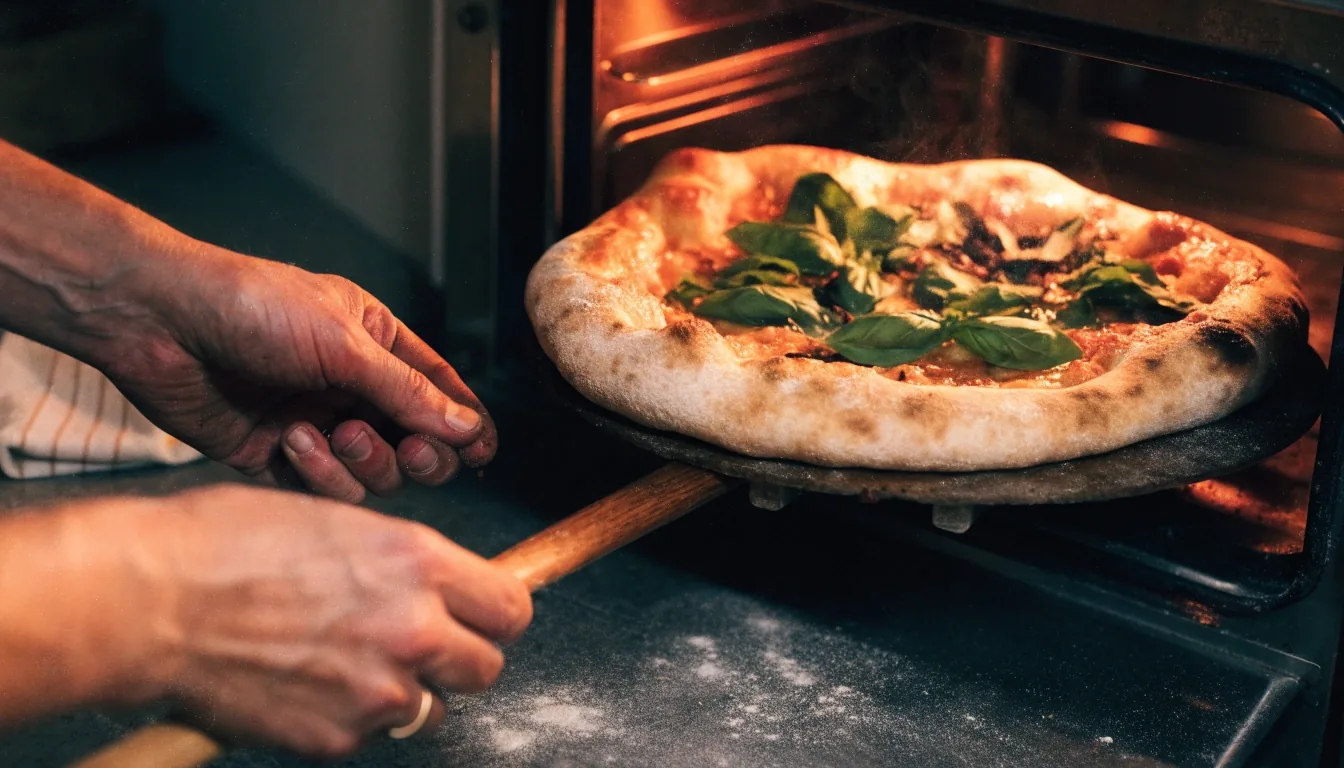
Pick a recipe to start tonight, or join a masterclass if you'd rather learn the why behind the dough in a guided session. Either route leads to the same bench — the one in your own kitchen.