
Pizza Styles Guide
A Guide to the Main Pizza Styles
Pizza isn't one dish. It's a family of regional styles, each shaped by the flour, the oven, and the city it came from. This guide explains the styles you'll meet most often in the United States and helps you pick the one that fits your kitchen and your taste.
Why style changes everything
The word "pizza" covers a thin blistered Neapolitan round and a thick square Detroit pan, and they share almost nothing beyond dough and cheese. Style decides your hydration, your pan, your bake temperature, and your topping logic. Choosing a style first makes every later decision easier. It also tells you what equipment you actually need.
At Dion's Pizza Deals we start every class with this question, because a home cook who picks a style and commits to it wastes far less dough than one who hops between techniques each weekend. The dough for a Detroit pan and the dough for a Neapolitan round are built on different flours, different resting times, and different expectations of what the crust should do under heat. Once you know which of those crusts you are aiming for, your shopping list, your pan choice, and your bake schedule all fall into place.
What style decides
- Dough hydration and the flour it is built on
- Bake temperature and how long the crust sits in the oven
- Pan or peel, and the shape the dough is pressed into
- Topping order, cheese placement, and sauce seasoning
Neapolitan: the original benchmark
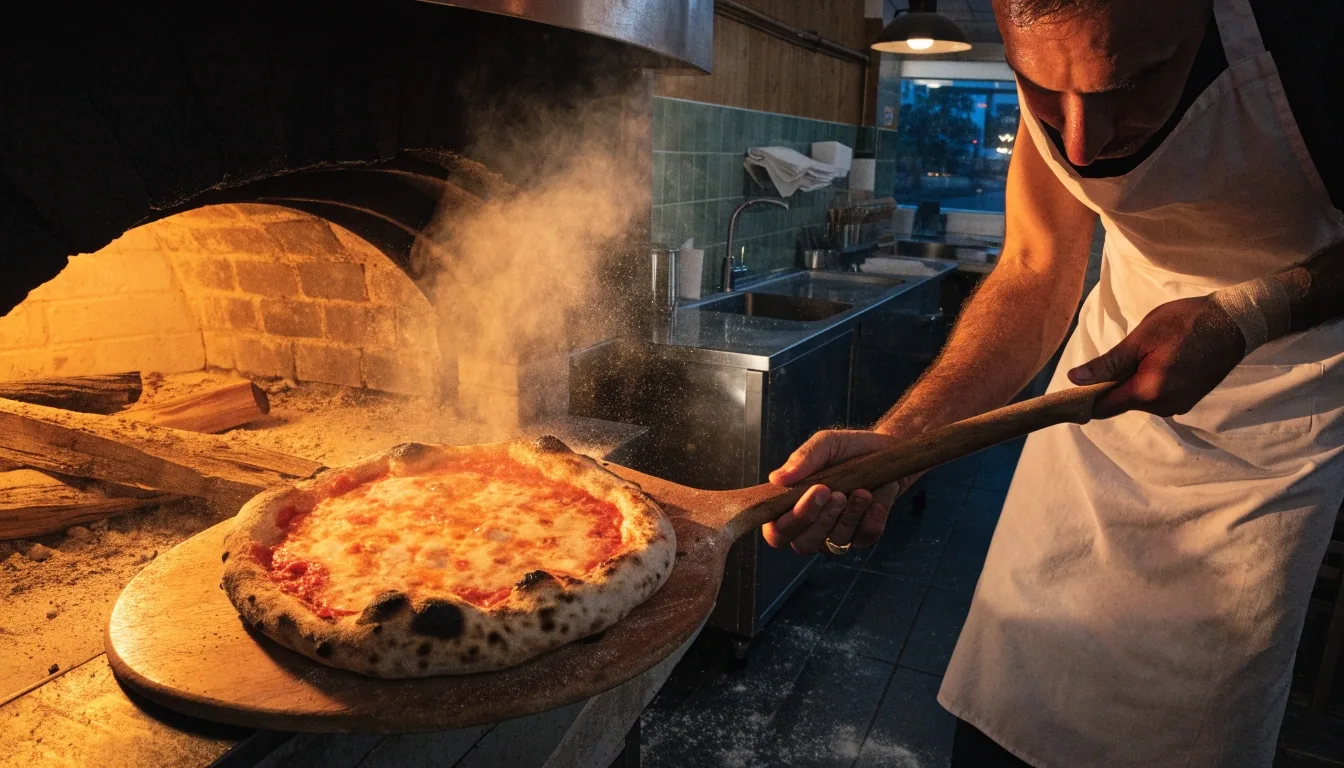
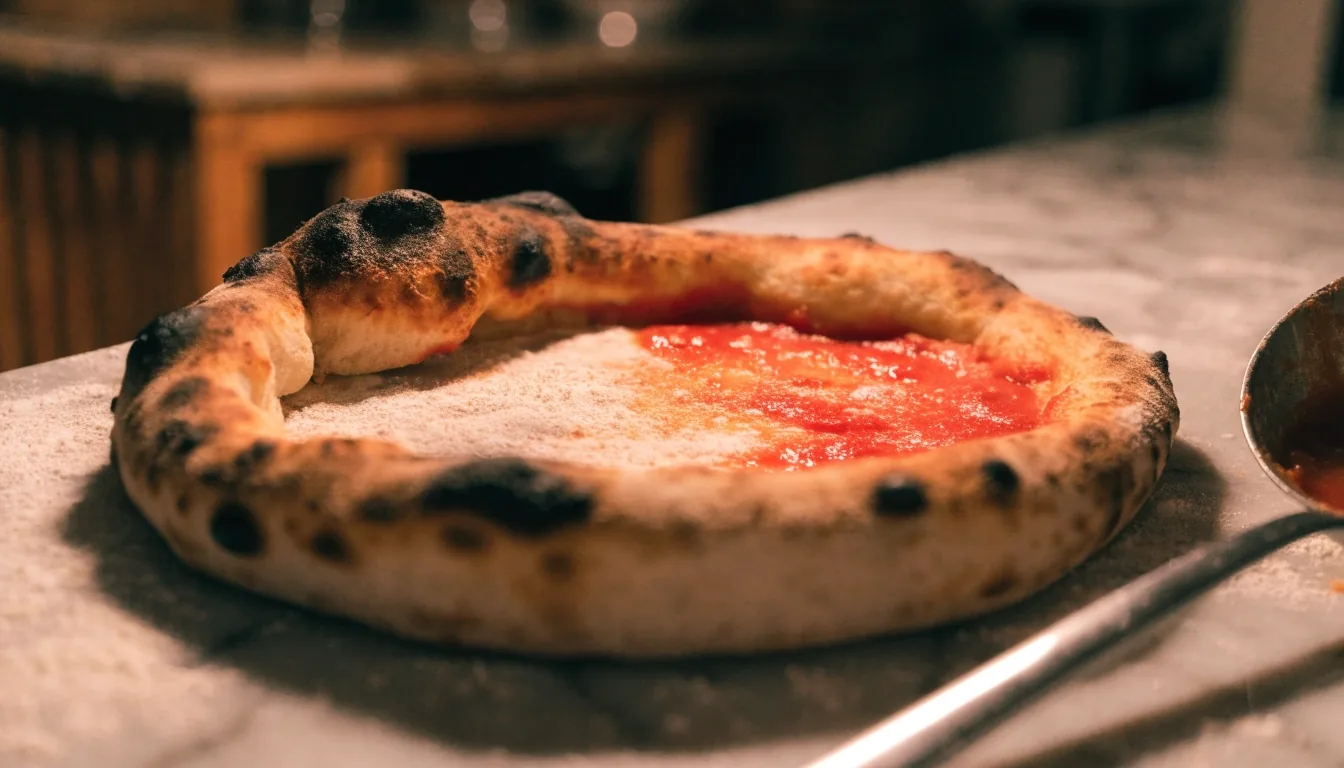
Neapolitan pizza is the reference point for a lot of American pizza ambition. It uses a simple dough, a hot bake, and a short topping list where the Margherita is the test. Anthony Mangieri's work at Una Pizza Napoletana is tied to Neapolitan discipline and repeatability, not novelty. It's the style to learn if you want to understand dough at its most basic.
What makes it demanding at home is the heat. Neapolitan dough wants a very hot oven and a very short bake, which most apartment ovens cannot match without a broiler finish or a dedicated pizza oven. The dough itself is honest and lean — flour, water, salt, yeast, and nothing you need to hide behind. That is why it teaches you the most about fermentation and handling.
New York-style: the American slice
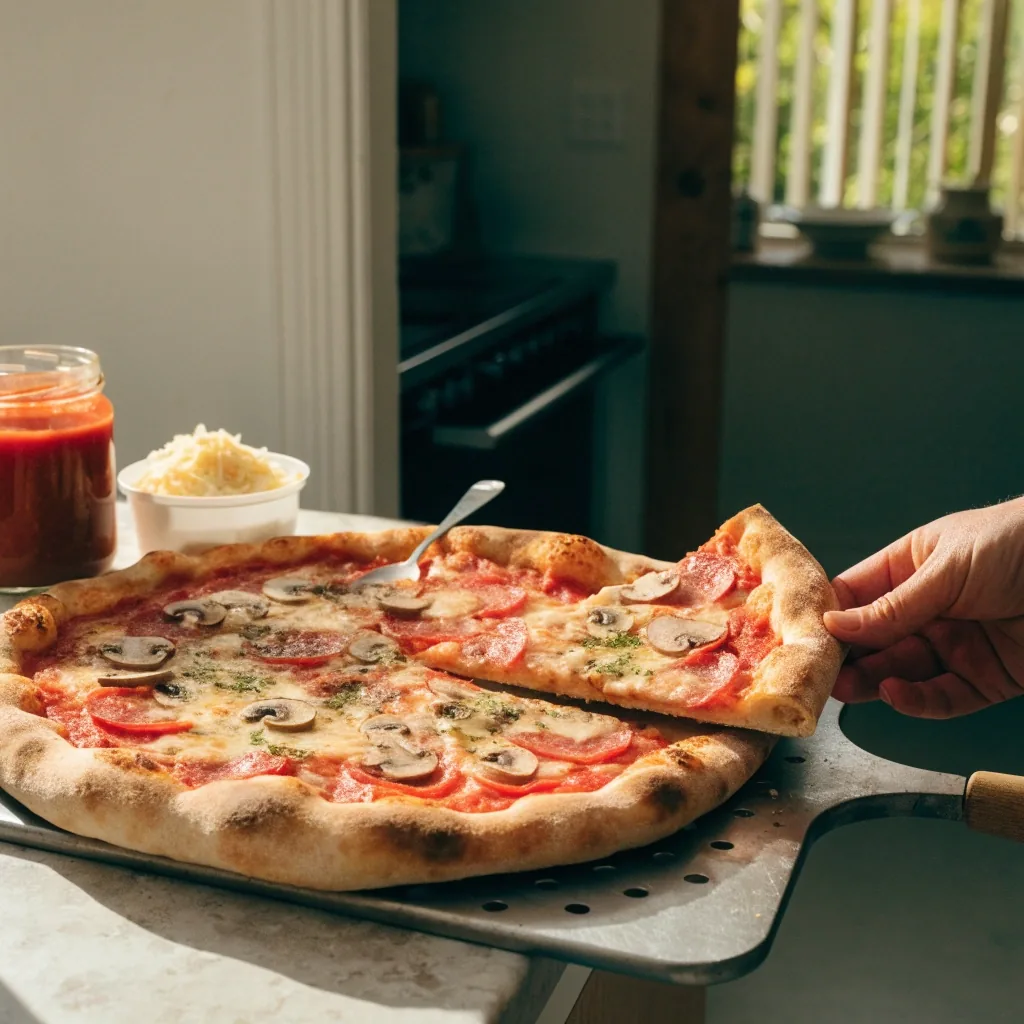
New York-style pizza grew out of immigrant-era pizzerias and became a defining American slice. The dough usually includes sugar and olive oil, and the sauce is heavily seasoned with grated mozzarella on top. It's built for a slightly cooler, longer bake than Neapolitan. That makes it a practical starting point for home ovens.
If you own a steel or a stone and a standard home oven, this is where most cooks should begin. The slice folds, the bottom crisps, and the sauce carries enough oregano and garlic to taste like a neighborhood counter rather than a restaurant plate. It is also forgiving on timing — a few extra minutes in a cooler oven rarely ruins the bake the way it would ruin a Neapolitan round.
In our masterclasses we usually start students here, then move them toward Neapolitan once their dough handling is steady. That order keeps the learning curve kind.
Pick the style first. Everything else — the flour, the pan, the bake — follows from that one choice.
A quick comparison of the main styles
Here's how the main styles differ in shape and dough character. Read across each row before you commit to a dough — the shape and the crumb usually tell you which pan or peel you will need on the counter.
Neapolitan
Shape: Round
Crust: Thin, soft center, blistered edge
Best fit: Pizza oven or broiler finish; the hardest to match at home
New York
Shape: Round
Crust: Thin, foldable, crisp bottom
Best fit: Home oven with a steel or stone; the easiest place to start
Sicilian
Shape: Rectangular
Crust: Thick, fluffy, spongy
Best fit: Oiled sheet pan in any home oven; feeds a crowd from one tray
Detroit
Shape: Rectangular
Crust: Thick, crisp cheesy edges
Best fit: Blue-steel or dark pan; rewards a patient, edge-to-edge cheese run
Al taglio
Shape: Rectangular
Crust: Airy, open crumb, by the slice
Best fit: Sheet pan and a wet, patient dough; good for a relaxed weekend bake
Sicilian: thick, fluffy, rectangular
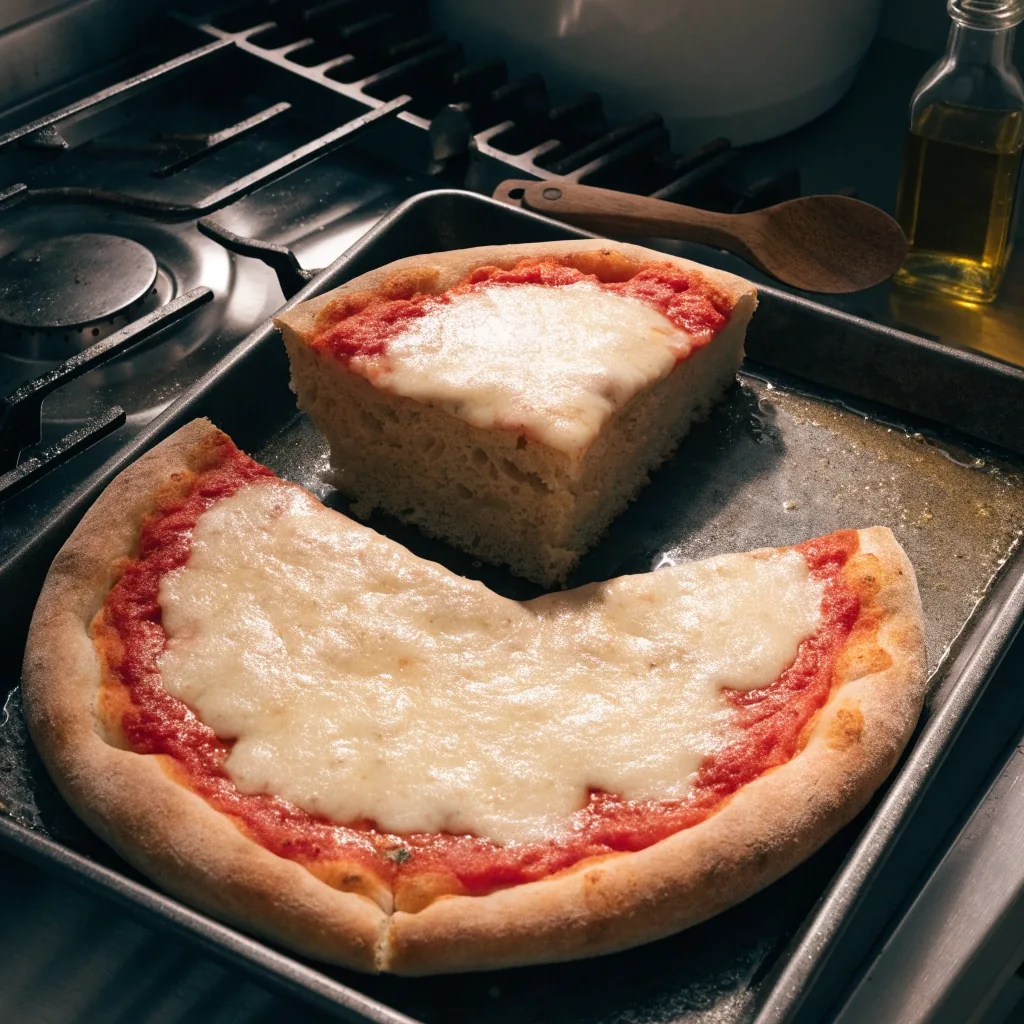
Eataly describes Sicilian-style pizza as thick, fluffy, and rectangular, and that's a fair working definition. The dough is pressed into an oiled pan and bakes into a substantial, focaccia-like base. It's forgiving because the pan holds the shape and the longer bake evens out. Good for feeding several people from one tray.
Because the pan does the structural work, this is the style that tolerates a beginner's hands. You press the dough out with your fingertips, let it relax, press again, and the oil along the sides fries the crust into a golden rim. The sauce usually goes on top of the cheese rather than under it, which keeps the middle from getting soupy during the longer bake.
Detroit-style: crisp edges, pressed toppings
Detroit-style is Sicilian-influenced but has its own identity. It uses a spongy focaccia-like base with toppings pressed into the dough and cheese run to the edges for a crispy crust. The pan is central to the result. If you like a crunchy, cheesy border, this is your style.
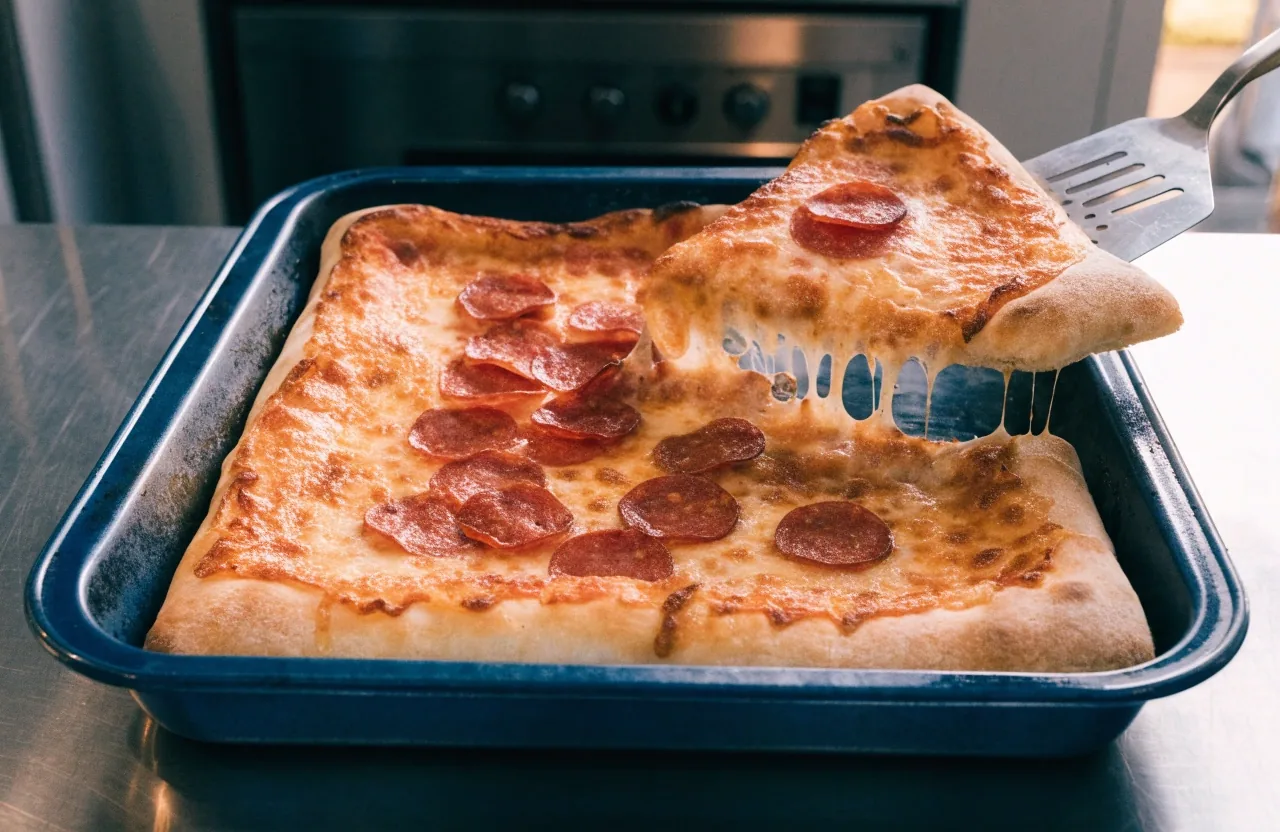
The Detroit pan is not a substitute for a Sicilian pan, even though both are rectangular. Detroit bakers favor a dark, heat-holding steel that browns the cheese against the wall of the pan. Toppings go on before the final rise so they sink slightly into the dough and stay put when you cut the pizza into squares rather than wedges.
At Dion's Pizza Deals we treat this style as the one where the bakeware matters most. Get the pan right, keep the cheese against the edge, and the crust does the talking.
Roman and al taglio: airy and by the cut
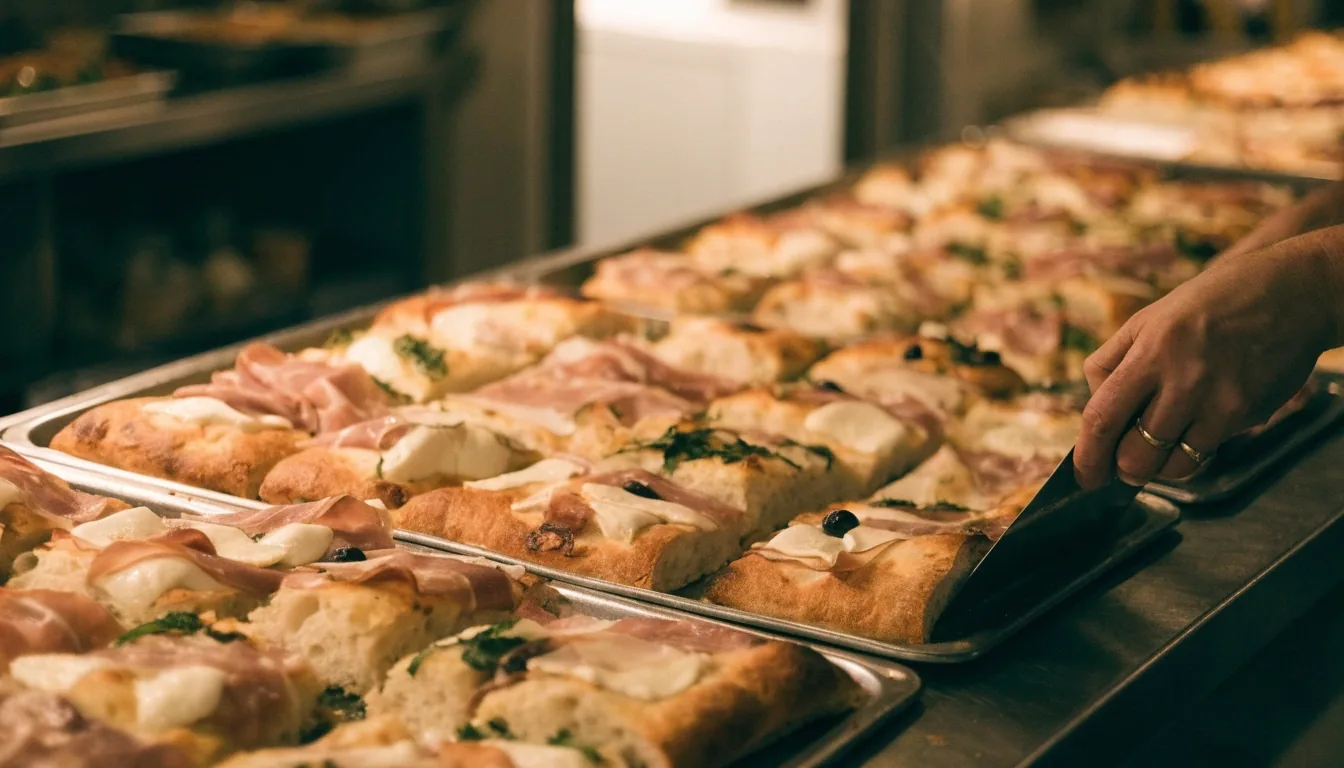
Roman pizza and pizza al taglio come from Italy's by-the-slice tradition, with light, open dough baked in rectangular trays. Gabriele Bonci, one of Italy's most influential pizzaioli, helped introduce al taglio to American diners. His work is associated with airy doughs and creative toppings. This style rewards a wet dough and a patient hand.
The dough here is wetter than anything else on this page, which means it handles more like a batter than a ball. You fold it during the rise instead of kneading it hard, and you bake it in a tray so the crumb stays open. It is sold by the cut for a reason: the slices are heavy, and a small square goes a long way.
Matching style to your oven
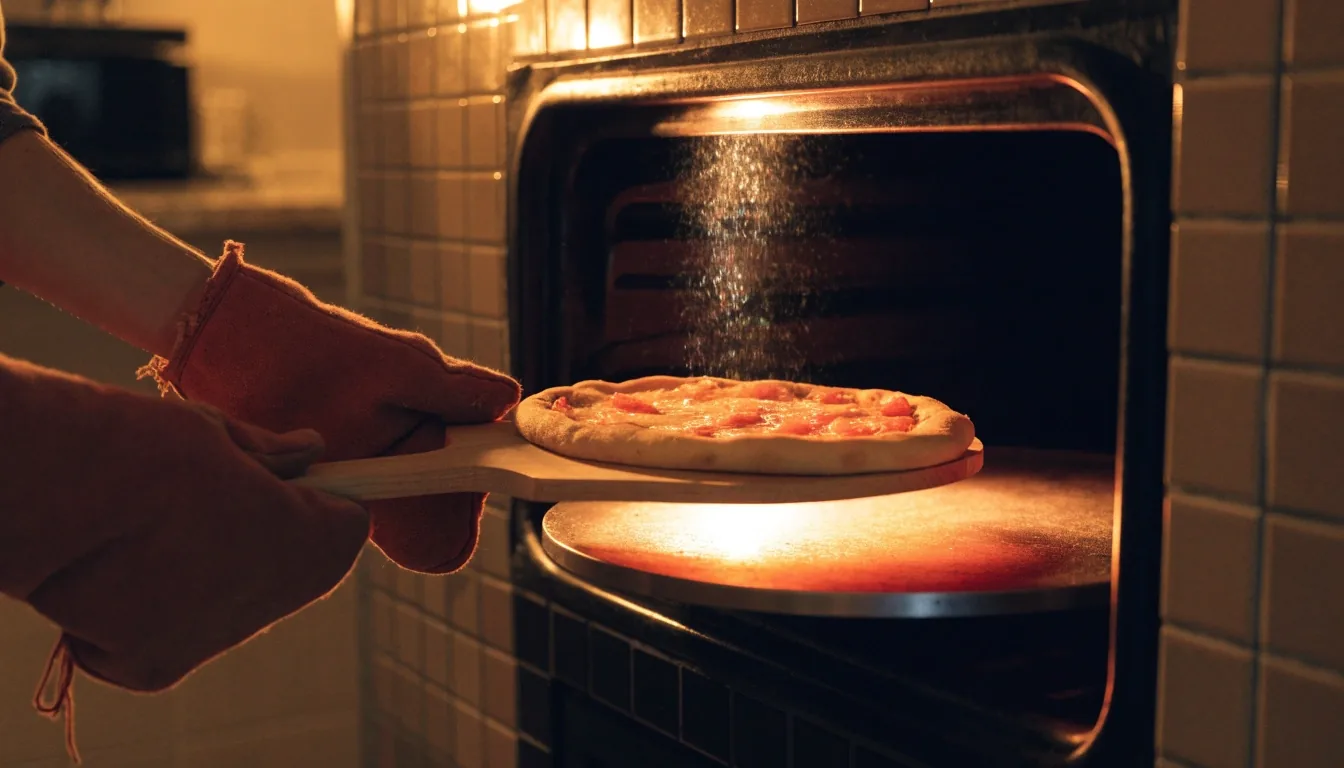
Your oven is the real constraint, so start there. A steel or stone in a home oven handles New York, Sicilian, Detroit, and al taglio well. Neapolitan is the hardest to replicate without high heat, though a broiler finish gets you closer. If you're working with a sheet pan only, the square styles are the safe bet.
Two practical rules we repeat in every class. First, preheat longer than feels necessary — a steel needs time to soak up heat before the first pizza goes on. Second, bake one pizza at a time on a peel or a sheet; a crowded oven drops in temperature and gives you pale, uneven crusts. Those two habits change more outcomes than any topping decision.
Sheet pan only
Sicilian, Detroit, al taglio
All three bake in a rectangular pan and tolerate a moderate oven. Start here if your kitchen has no stone and no peel.
Steel or stone
New York, al taglio
A preheated steel gives you the crisp underside a New York slice needs. It is the single upgrade that most changes a home bake.
Pizza oven
Neapolitan
Only a dedicated oven reaches the heat Neapolitan dough wants. Without one, aim for a broiler finish and expect a softer center.
Questions we hear most
Answers to the questions that come up again and again when someone is deciding which style to learn first.
See the full FAQ
Which style should a beginner start with?
New York-style. It bakes at a temperature a home oven can reach, the dough is forgiving, and a steel or stone gets you a crisp bottom without special equipment. Once your dough handling is steady, Neapolitan and the square styles open up.
Can I make Neapolitan pizza without a pizza oven?
You can get close with a preheated steel and a broiler finish, but expect a softer center than a wood-fired oven gives. Heat is the constraint, not the dough recipe. If Neapolitan is your goal, plan for the equipment eventually.
Do Sicilian and Detroit need different pans?
Yes. Both are rectangular, but Detroit bakers favor a dark, heat-holding steel that crisps the cheese against the pan wall, while a lighter oiled sheet pan is standard for Sicilian. The pan shapes the edge you get.
What makes al taglio dough different?
It is wetter and it is folded rather than kneaded hard. That high hydration, plus a longer rise, is what gives the crumb its open, airy structure. It rewards patience more than strength.
Can one dough recipe cover more than one style?
Sometimes, but not freely. Hydration, flour strength, and pan shape all shift between styles. A dough built for a Detroit pan will not stretch into a foldable New York slice. Pick the style, then pick the dough.
Next step
Still not sure which style suits your oven?
Tell us what you bake in and what you already own, and we'll point you to the style that fits. You can also start browsing recipes by style, or join a class and work through the dough with your hands on the counter.
Visit us
482 Mulberry Street, New York, NY 10013, USA
Monday to Friday: 9:00 AM – 6:00 PM
Saturday: 10:00 AM – 4:00 PM