
Dion's Pizza Deals · Mulberry Street, New York
Hands-On Pizza Masterclasses in New York and Online
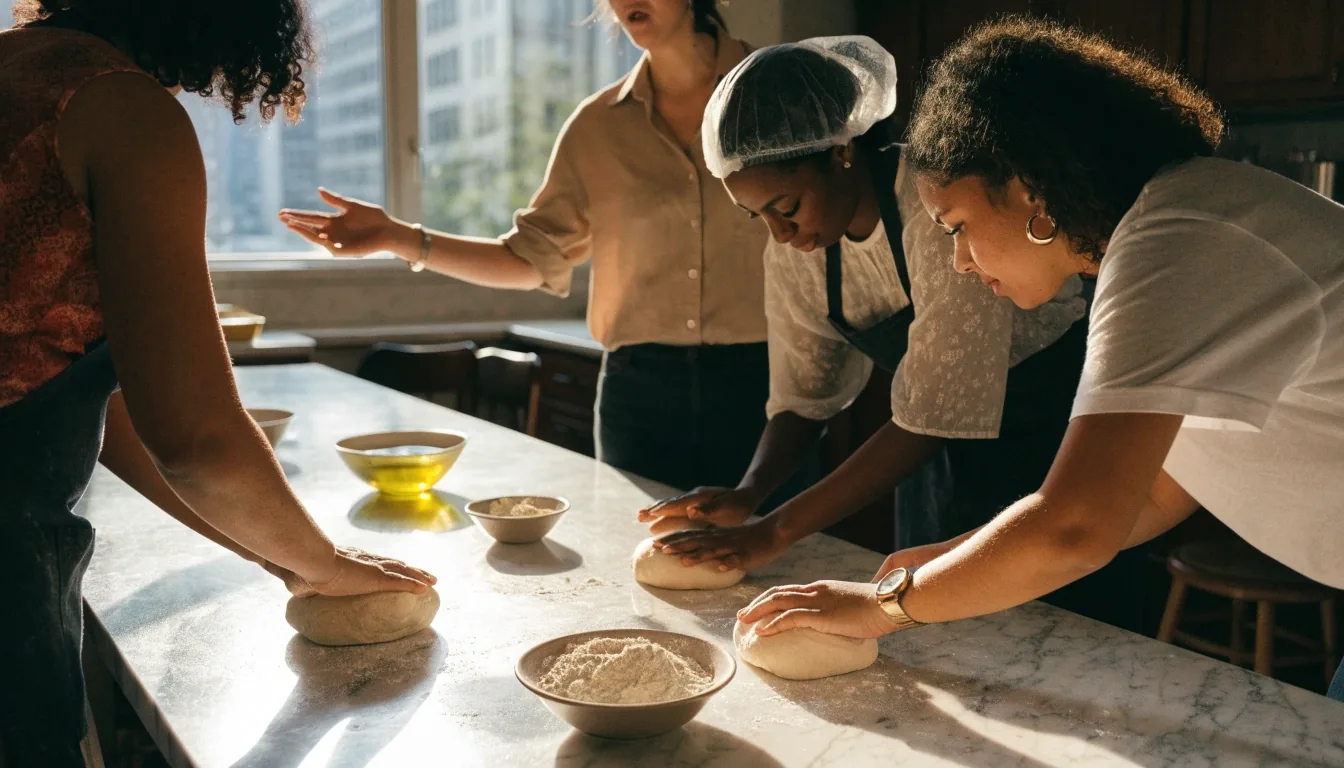
A recipe tells you what to do. A masterclass shows you what it should look and feel like while you're doing it. Dion's sessions cover dough, fermentation, stretching, and high-heat baking, taught in small groups so you get real feedback on your own hands and your own dough.
What a session actually covers
We start with flour and water and work forward. You'll mix a dough, learn to judge hydration by feel, and see what a properly proofed dough looks like at each stage. Then we stretch, top, and bake. By the end you've made at least one full pizza and watched several others go through the same process.
Nobody sits at the back watching. The group stays small enough that everyone mixes their own batch, feels the dough at two or three points during the proof, and gets a turn loading a pie. If your first round comes out lopsided, that is the point — you fix it on the second one while the dough is still in your hands.
-
Mixing and hydration
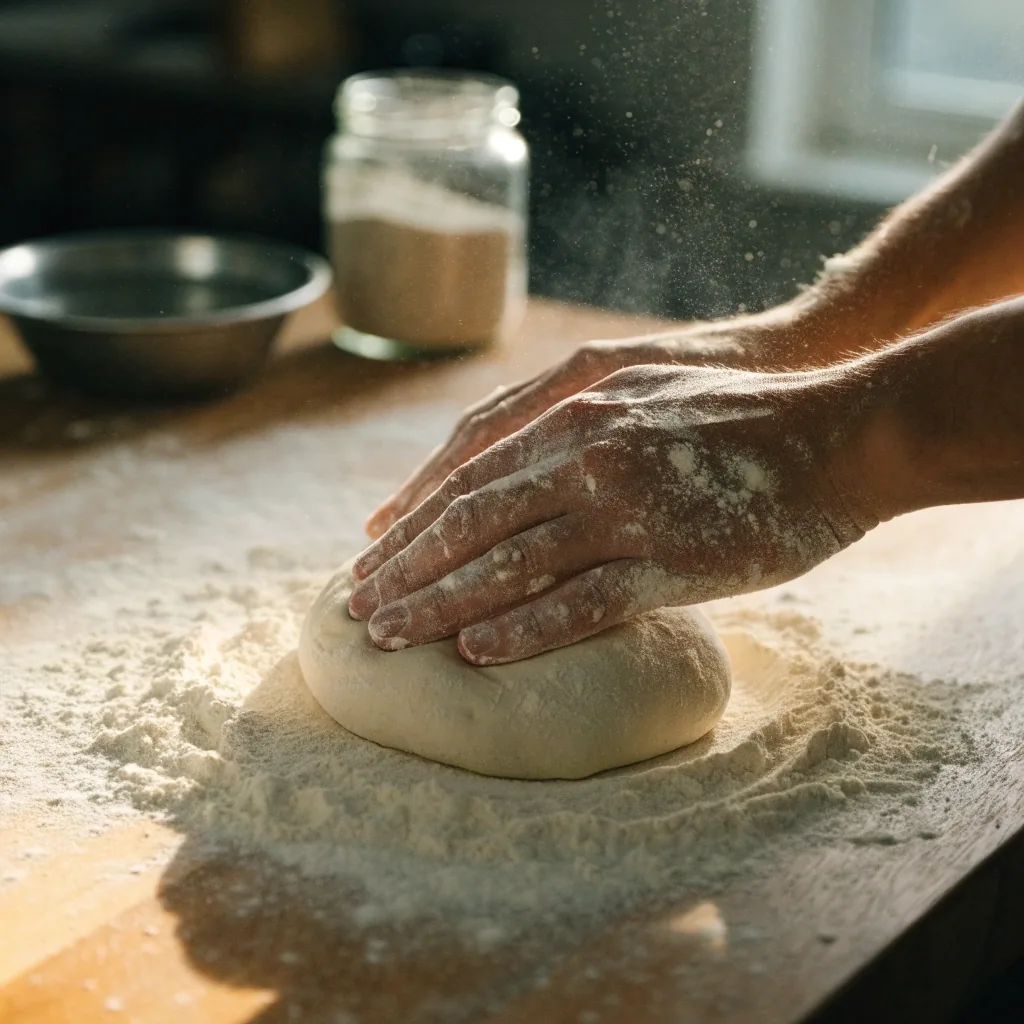
You weigh flour and water together and learn to read the dough as it comes together — tacky, slack, or tight. Hydration stops being a number on a page and becomes something your fingers recognize.
-
Fermentation
We set up a same-day dough and a slow cold ferment side by side so you can compare the smell, the spring, and the way each one handles when it finally opens.
-
Stretching and topping
Hands open the round; the rim stays puffy and the center never gets crushed. You top light and deliberately, then carry your own pie to the oven.
-
Baking and the finish
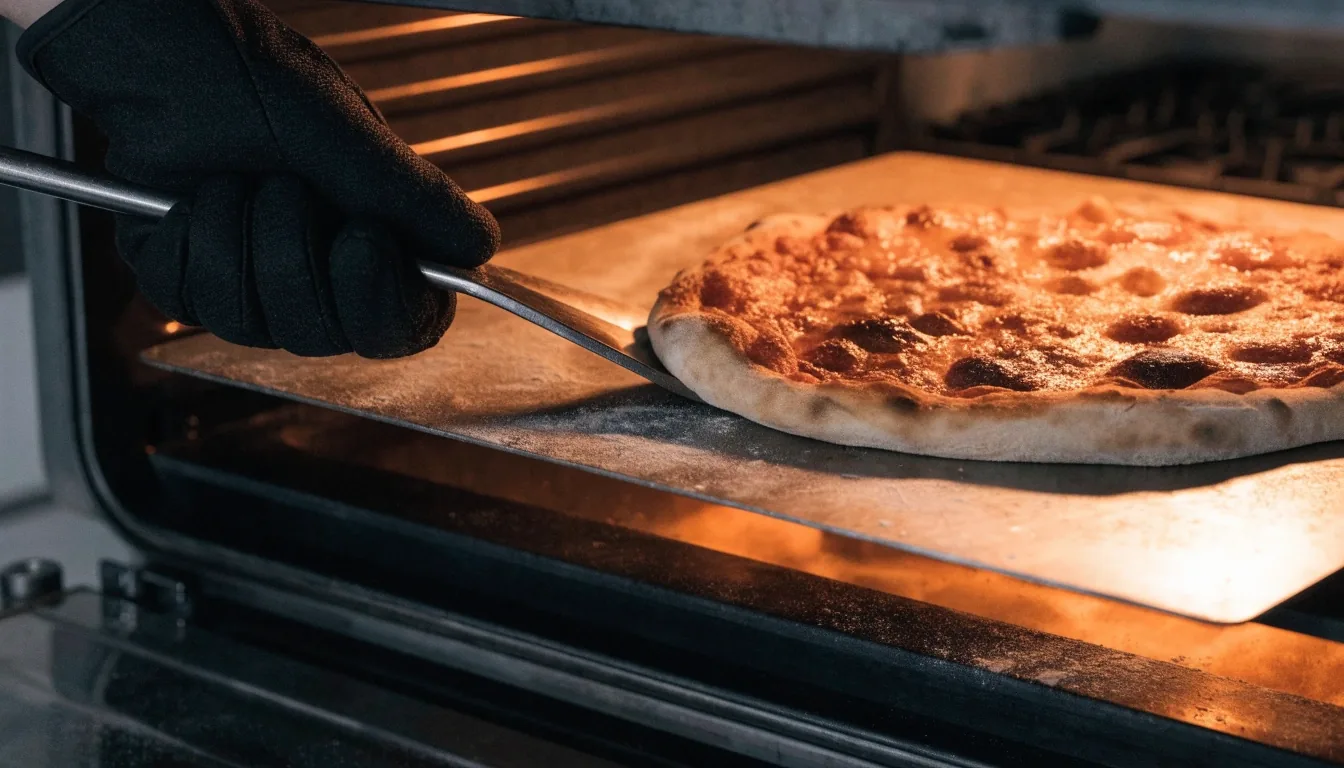
Steel, rack position, and a broiler finish do the work a pizzeria oven would do. You watch the edge blister, learn when to pull, and taste what a set bottom actually feels like.
Wondering how the technique maps onto the styles we teach? See what the recipes cover in the style guide.
In person
In-person classes at Mulberry Street
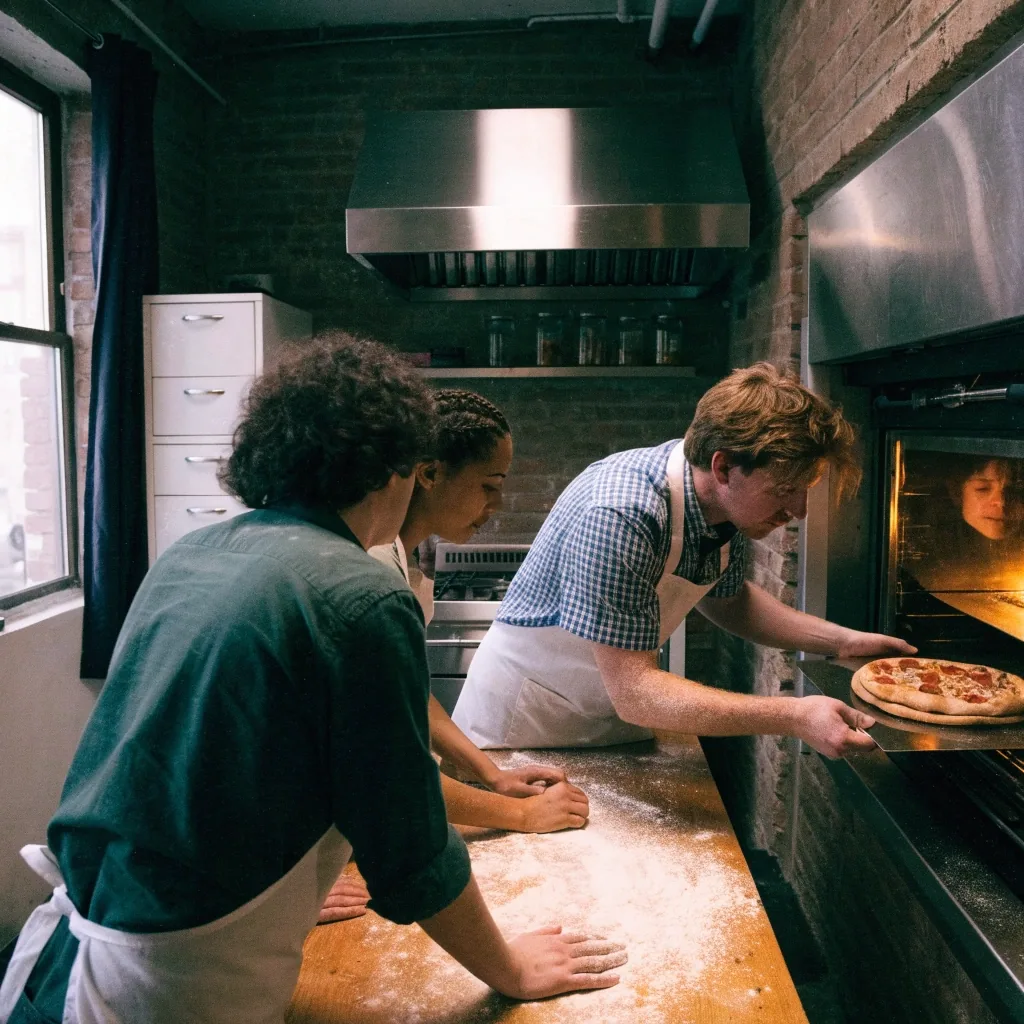
In-person sessions run at our kitchen at 482 Mulberry Street in New York. Groups are kept small so everyone gets time at the bench and a turn at the oven. You work with the same dough you'll make at home, on equipment you can actually buy. We bake in a home-style oven setup, not a commercial wood-fired floor.
That difference matters more than it sounds. A steel in a domestic oven behaves differently from a stone floor at 900 degrees, and the technique you take home has to work in the oven you already own.
Before you arrive
- Kitchen
- 482 Mulberry Street, New York, NY 10013. Sessions run on weekdays and Saturdays inside our published hours.
- What we provide
- Ingredients, dough, tools, and aprons. Bring yourself and a willingness to get flour on your hands.
- What to wear
- Clothes you don't mind dusting with flour. Closed shoes are a good idea near a hot oven.
- Group size
- Kept small on purpose, so the bench time is real and nobody waits a full round for a turn.
Questions about dates, group size, or what a session covers for your level? Call +1-212-555-0194 or write to [email protected].
Online
Online classes for cooks anywhere
If you're outside New York, the online format covers the same technique over a live session. You'll get a dough schedule in advance so your dough is ready when class starts. Cameras stay on the bench, and we answer questions as they come up. It's built for people who want guidance without traveling.
Before class
You receive a dough schedule by email, timed to your start. Mix at the hour we give you and your dough is ready when the session opens.
During class
The camera stays low over the bench so you see hand position, dough tension, and the moment a round is ready to open.
Questions
Ask as they come up, or hold them for the bake. If your oven runs cool, we'll talk through how to adjust it for your kitchen.
Reading your dough
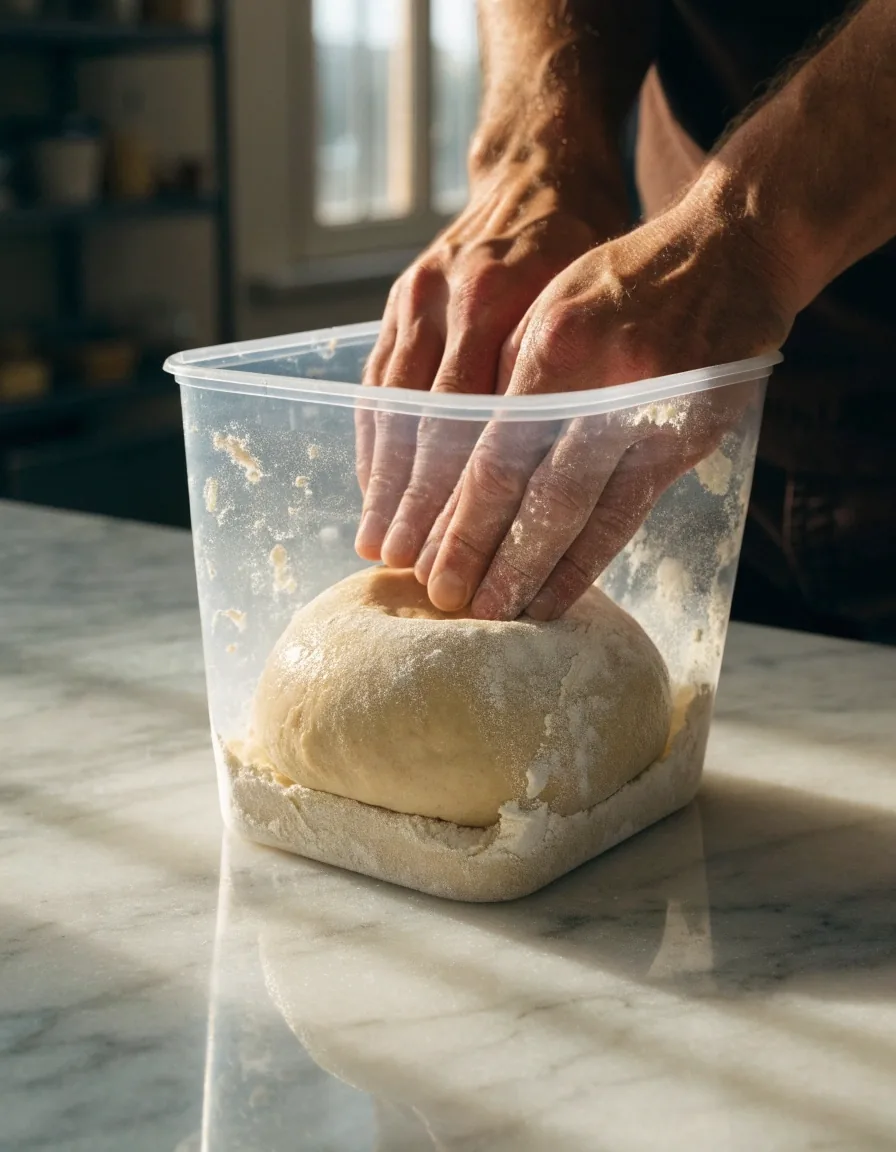
Most home pizza problems trace back to dough that's under or over proofed. In class you'll learn to check a dough by touch, by smell, and by how it springs back. That skill carries across every style in our collection. Once you can read the dough, you stop depending on the clock alone.
A cold kitchen slows fermentation down; a warm one speeds it up. Two doughs mixed from the same bag of flour an hour apart can be ready at very different times. We teach the checks so you can decide for yourself instead of following a timer into a dense, flat crust.
-
Touch. A ready dough feels alive and slightly cool, with a soft skin that doesn't stick to your palm.
-
Smell. Fermented dough smells faintly of yogurt or beer. Sharp and sour means it has gone further than you wanted.
-
Spring. Press a finger in. A shallow dent that refills partway is what you're after; one that stays put means more time.
Stretching without tearing
Stretching is where good dough gets ruined. We show the hand movements that open a round without crushing the rim or ripping the center. You'll practice on dough you made, so you feel the difference between a dough that's ready and one that needs more time. No rolling pins, no tricks that flatten the crumb.
You'll work the rim first and let gravity do most of the opening, then finish on the bench with the pads of your fingers. If a dough fights back and springs into a smaller circle, that is a fermentation signal, not a technique problem — and you'll know what to change next time.
High-heat baking at home
Home ovens top out lower than a pizzeria's, so we teach the workarounds. A preheated steel or stone, the right rack position, and a broiler finish get you a blistered edge and a set bottom. We cover what to do when the top browns before the base crisps. You'll leave knowing how to run your specific oven.
Preheat long
The steel needs time, not just temperature. We'll tell you how long yours actually takes to soak up heat.
Position and shelf
Upper third for the broiler pass, lower for the base. Which one first depends on your oven and your toppings.
When it browns early
A pale base under a dark top is the usual home failure. We show the rack move that fixes it mid-bake.
Which format fits you
Pick in-person if you want hands-on correction and the energy of a working kitchen. Pick online if you want the technique without the trip, or if you're already comfortable and just need the dough and bake dialed in. Beginners do well in either. The content is the same; the feedback differs.
What you're comparing
In-person at Mulberry Street
Live online session
Feedback
Someone stands next to you, takes your dough, and shows the correction in your own hands.
Guidance by camera and voice, with questions answered live as you work the dough on your counter.
Equipment
Our bench, our oven, our tools. You bake on a home-style setup rather than a commercial floor.
Your oven and your steel. We adjust the advice to whatever you already cook on.
Travel
You come to 482 Mulberry Street in New York for the session.
None. Join from your own kitchen wherever you live, with a dough schedule sent ahead.
Best for
First-timers who want their hands corrected, and cooks who learn faster with someone beside them.
Cooks outside New York, and anyone who wants the dough and bake method without the trip.
Private and group sessions
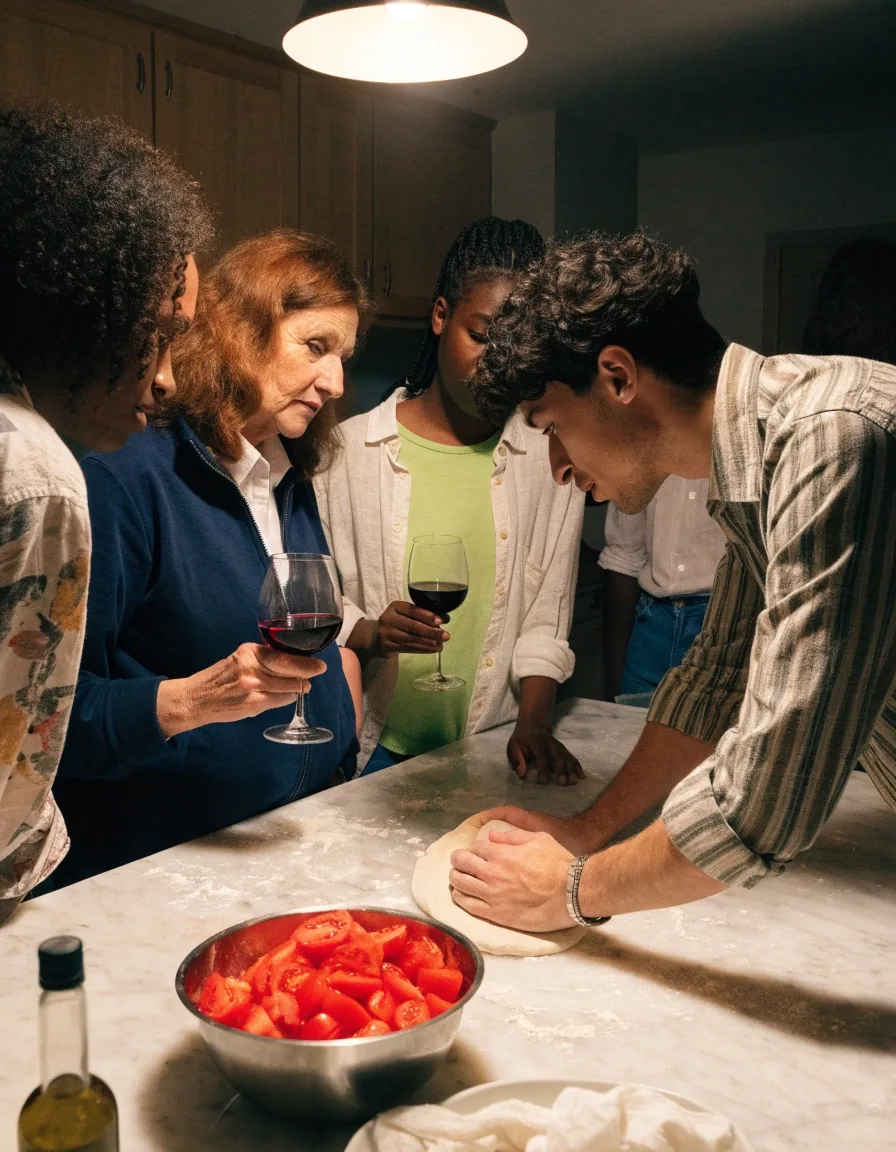
We run private sessions for small groups, which suit birthdays, team events, or a serious home-cook crowd. Dates and formats vary, so the fastest way to plan one is to ask. Tell us your group size and what you want to focus on. We'll suggest a session that fits.
You can point the session at one style, or run a broader dough-to-bake arc where everyone makes two rounds. Mixed experience levels are fine — we'll pair the confident cooks with the nervous ones and keep the bench moving.
Questions before you book
Short answers to what people ask us most. Anything else, call or write and we'll answer it directly.
More questions about ordering, dough, and equipment live on the FAQ page.
Do I need experience to join a masterclass?
No. Sessions start from mixing dough, and small groups mean beginners get hands-on help. If you've baked before, we can push you toward the more demanding styles.
What should I bring to an in-person class?
Just yourself and a willingness to get flour on your hands. We provide ingredients, dough, tools, and aprons. Wear clothes you don't mind dusting with flour.
How does the online class work?
You'll get a dough schedule beforehand so your dough is ready when we start. The session runs live, and you bake along with the instructor while asking questions in real time.
Can I plan a session for a group?
Yes. Tell us your group size and what you'd like to focus on, and we'll suggest a format and a date that fits. Private sessions suit birthdays, team events, and serious home-cook groups.
Pick your format and get on the bench
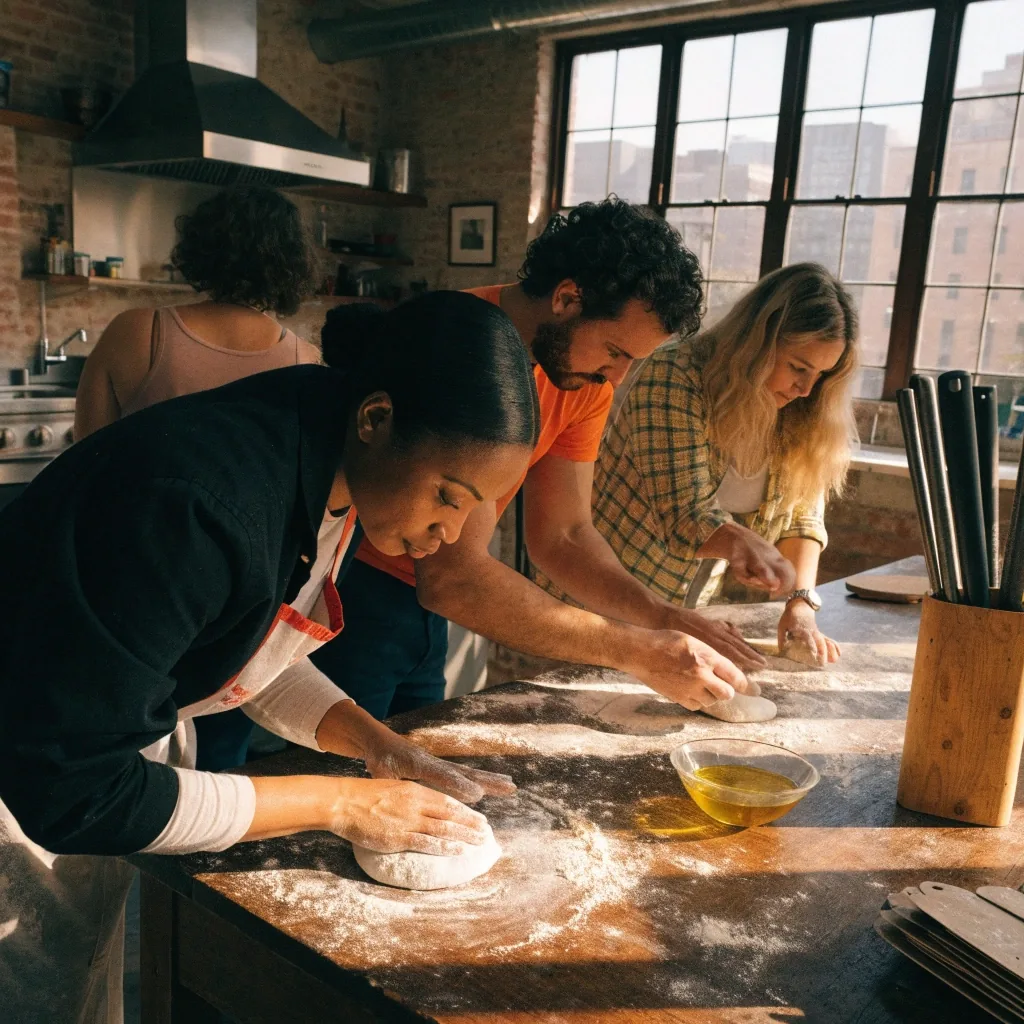
Tell us whether you want to come to Mulberry Street or cook along from your own kitchen, and we'll point you at the next session that fits. If you're planning for a group, include the size and the style you'd like to focus on.
Dion's Pizza Deals · 482 Mulberry Street, New York, NY 10013 · +1-212-555-0194