
Questions from the kitchen
Pizza Questions, Answered
These are the questions we get most often about dough, ingredients, equipment, and classes. If yours is not here, the contact page is the fastest way to get an answer from the kitchen team at Dion's Pizza Deals.
Pick the part of the bake you are stuck on
Every answer below is the same guidance we give in class. Jump straight to the section that matches your problem, or read the whole page in order.
Dough and fermentation
Why your dough fights back, and how to let it relax
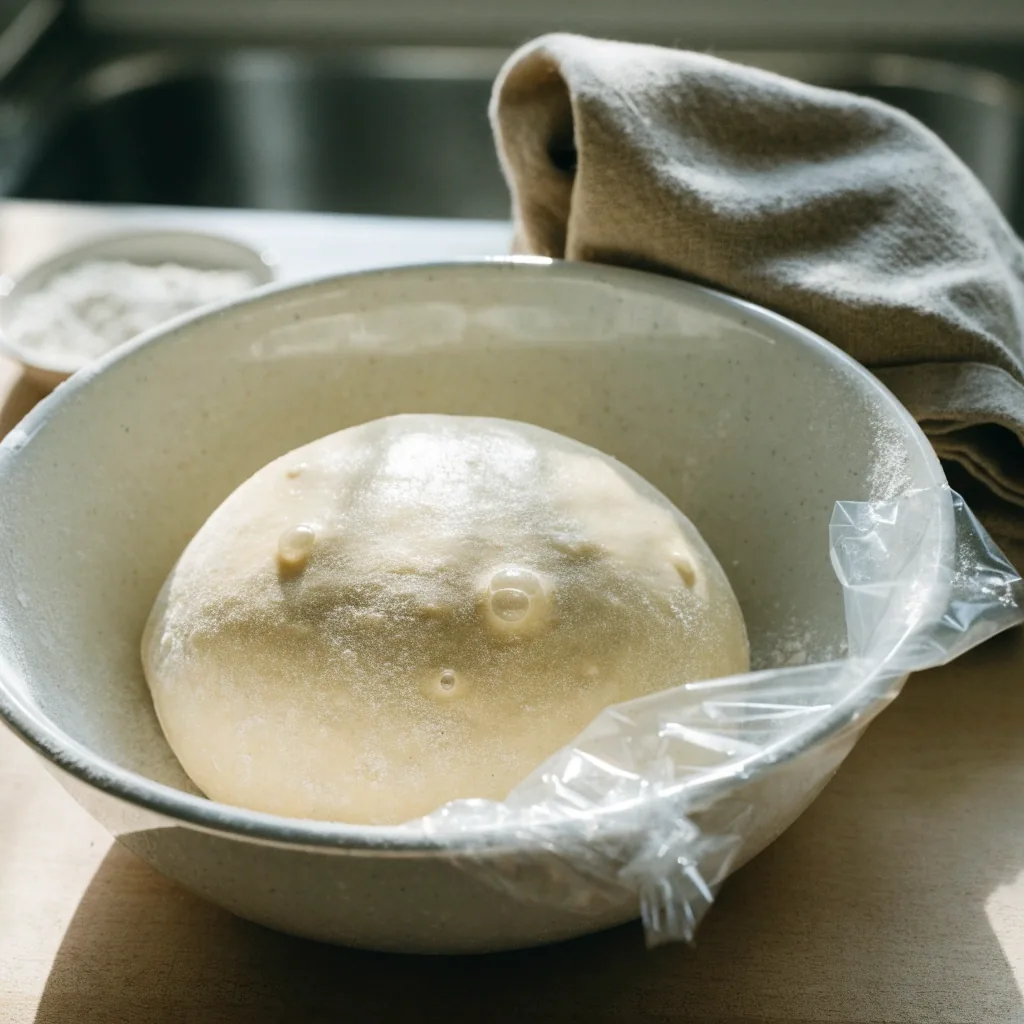
What makes dough light and easy to stretch comes down to hydration and time. A wetter dough and a longer ferment develop gluten and flavor, which is why our recipes give proofing windows instead of rushing you. If your dough springs back when you push it out, it usually needs a short rest under a towel before you stretch again.
Cold fermenting overnight is a reliable way to build flavor without babysitting it. Mix the dough in the evening, cover the bowl, and let the refrigerator do the slow work. In the morning the dough is cooler and firmer, so it holds a wide shape on the peel and springs less in a home oven.
- Springs back
- Cover and rest the ball 10 to 15 minutes, then stretch again. Repeat once if needed.
- Tears open
- The dough is under-fermented or dry. Give it more time, or wet your hands and work a splash of water in.
- Smells sour
- Long cold ferments get tangy. That is normal for a three-day dough and not a sign it has gone off.
Flour and ingredients
Which flour you actually need, and what you can swap
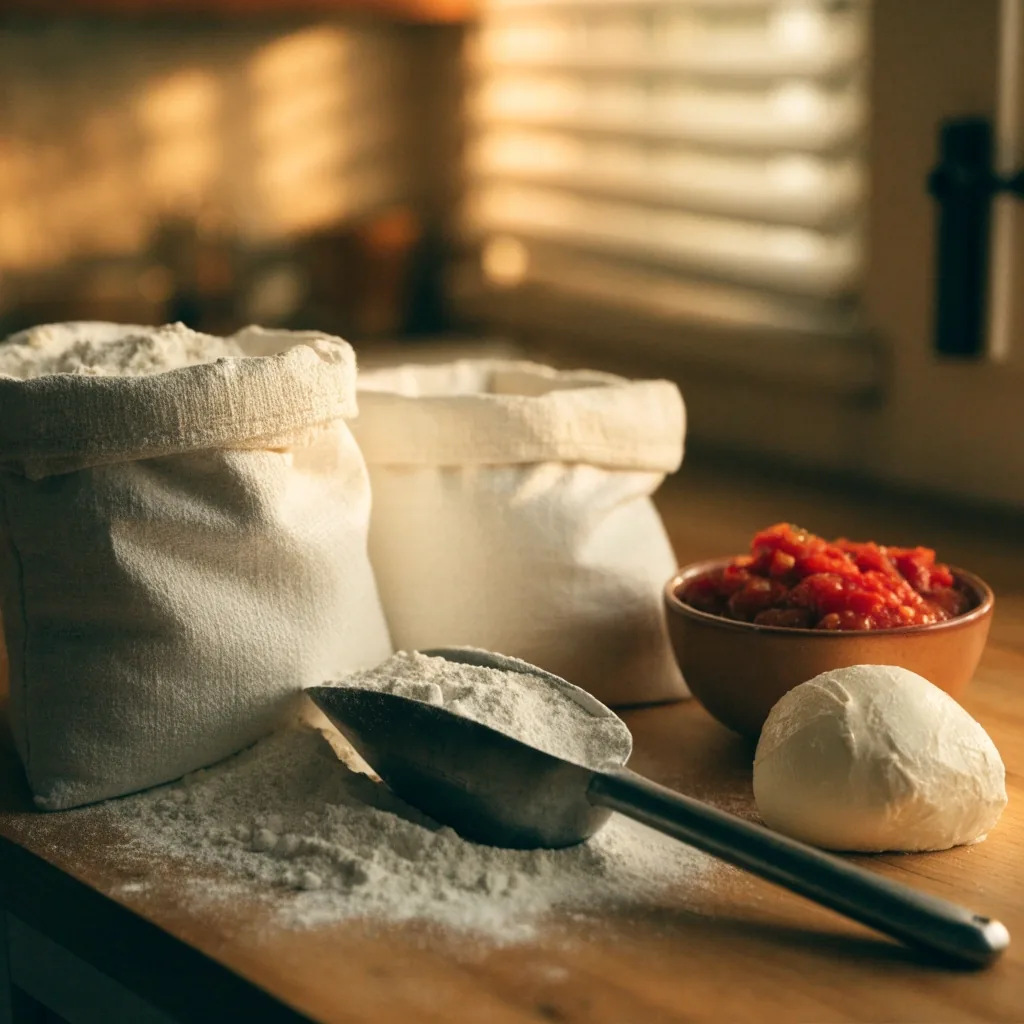
For most styles, a bread flour with decent protein works well and is easy to find. Neapolitan and al taglio recipes can benefit from a finer Italian-style flour, but you do not need it to start. Each Dion's pizza recipe lists what it calls for and what you can substitute, so you are never stuck hunting one specific bag.
Quality tomatoes and fresh mozzarella make a visible difference in the finished pie. Crushed San Marzano-style tomatoes drained of excess liquid keep the base from turning wet, and mozzarella torn by hand and patted dry melts without pooling. If you only swap one thing, swap the cheese.
-
Bread flour
Your everyday base for New York, Sicilian, Detroit and sheet-pan recipes.
-
Italian-style 00
Finer and softer, helpful for Neapolitan and al taglio. Optional to start.
-
Crushed tomatoes
Drain them before use, and season lightly so the tomato tastes like tomato.
-
Mozzarella
Fresh mozzarella torn and patted dry. Low-moisture works for square styles.
Equipment and ovens
You do not need a wood-fired oven to make these recipes
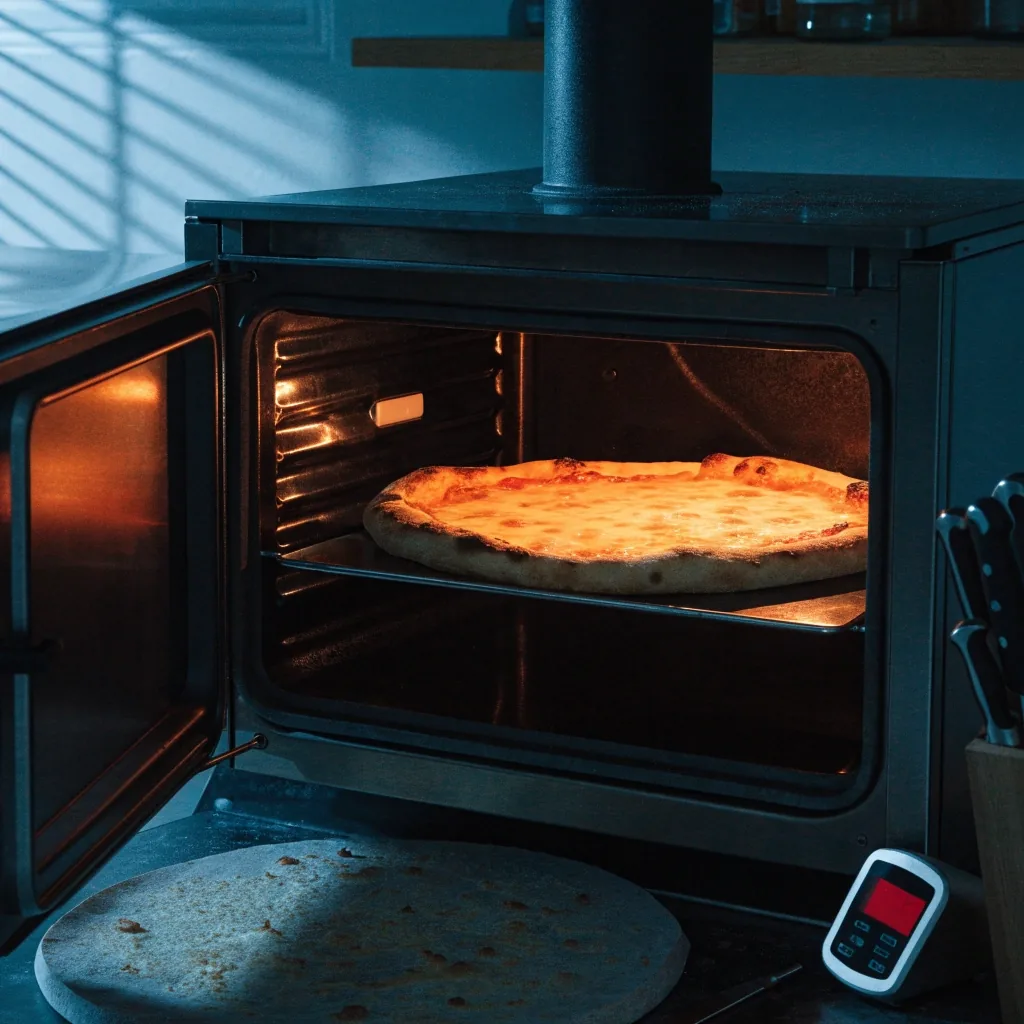
A pizza stone or a steel is the single upgrade that changes home results most. A steel heats faster and gives a crisper bottom; a stone is gentler and more forgiving on thin dough. Several of our recipes are written for a standard sheet pan, so a normal home oven is enough.
Pizza steel
Fastest heat transfer and the crispiest base. Best for New York and Detroit-style pies that want a firm bottom.
Pizza stone
Gentler and slower to preheat, but it bakes a softer crust and is a good fit for Neapolitan and al taglio.
Sheet pan
No stone needed at all. Sicilian and Detroit recipes are written for a rimmed pan on a middle rack.
Each recipe notes the target temperature and rack position for that style, and the styles guide compares them by shape, dough and bake if you are deciding which one your oven handles well.
Compare pizza stylesGetting a crisp bottom
Soggy middle? Three fixes that work
A crisp base comes from a hot surface and a dry dough. Preheat your stone or steel long enough, and avoid overloading the pizza with wet toppings. If the top browns before the base sets, move the pizza lower in the oven or finish the last minute under the broiler.
-
Preheat fully
Give the stone or steel a long, unhurried preheat so the surface is genuinely hot when the dough lands.
-
Drain wet toppings
Pat the mozzarella dry and drain the tomatoes. Less water on top means a firmer base below.
-
Adjust the rack
Top brown too fast? Drop the rack a level or finish under the broiler for the last minute.
Class formats and booking
In-person at Mulberry Street, or live online
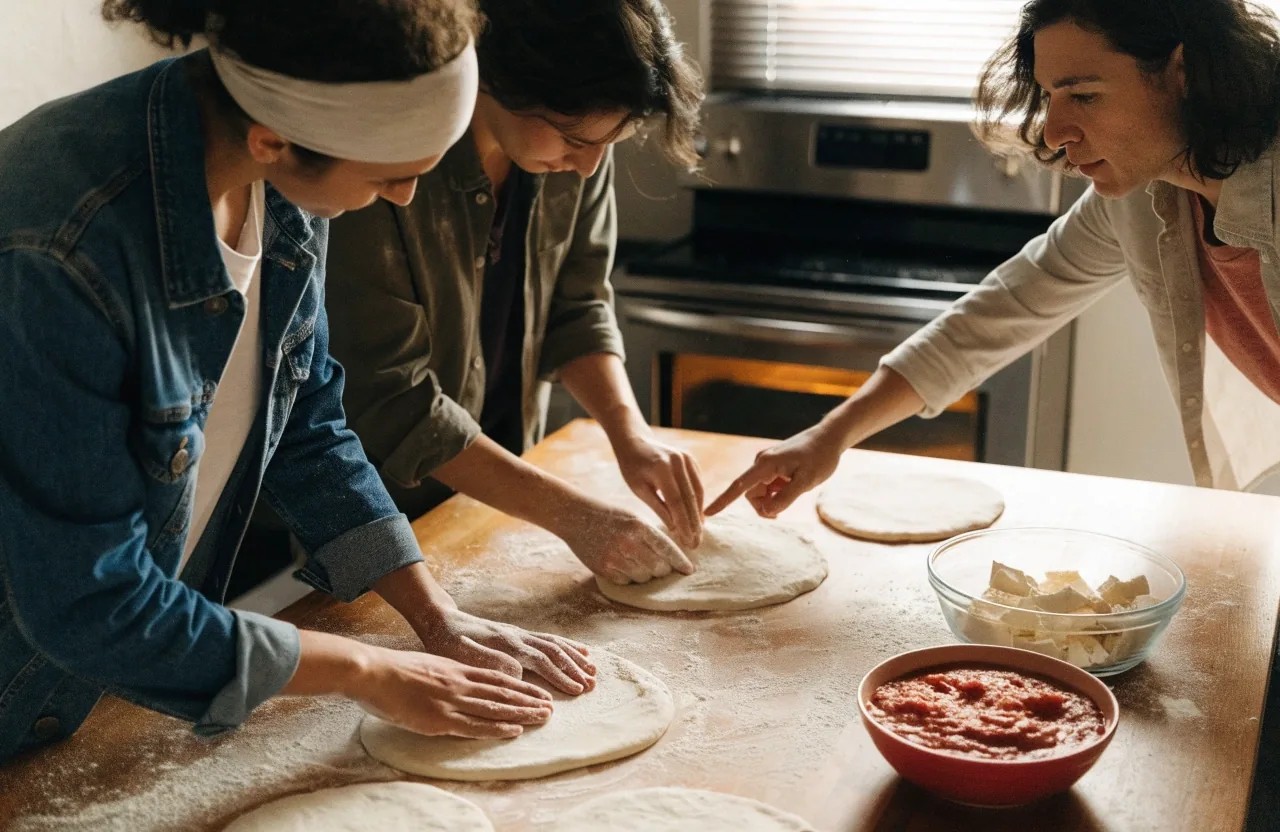
We run in-person sessions at our Mulberry Street kitchen in New York and live online classes for cooks elsewhere. In-person groups are small so everyone gets hands-on time at the bench, with dough, sauce and cheese ready when you arrive.
Online sessions come with a dough schedule so you are ready when class starts. You mix and refrigerate ahead of time, then join live to shape, top and bake alongside the instructor. You can ask about dates, group sizes or private sessions through the contact page.
In person, New York
Small groups at 482 Mulberry Street. Everyone shapes and bakes their own pie with hands-on help.
Live online
Join from any kitchen. A dough schedule arrives first so your dough is proofed when class begins.
Styles and how to choose
Which style fits the oven you already own
If you are unsure where to start, New York-style is the most forgiving for a home oven, and the square styles, Sicilian and Detroit, are sturdy and hard to ruin. Neapolitan is the most demanding because it wants high heat.
New York-style
A medium-hydration dough baked on a steel or stone at home-oven temperatures. Forgiving, and the easiest first bake.
Good when you want a wide, foldable slice and a crust that does not demand specialty flour.
Sicilian
A thick, rectangular pie in a rimmed pan with a longer bake. Sturdy dough that holds up to heavy toppings.
A safe pick if you want one pan to feed several people without wrestling a peel.
Detroit-style
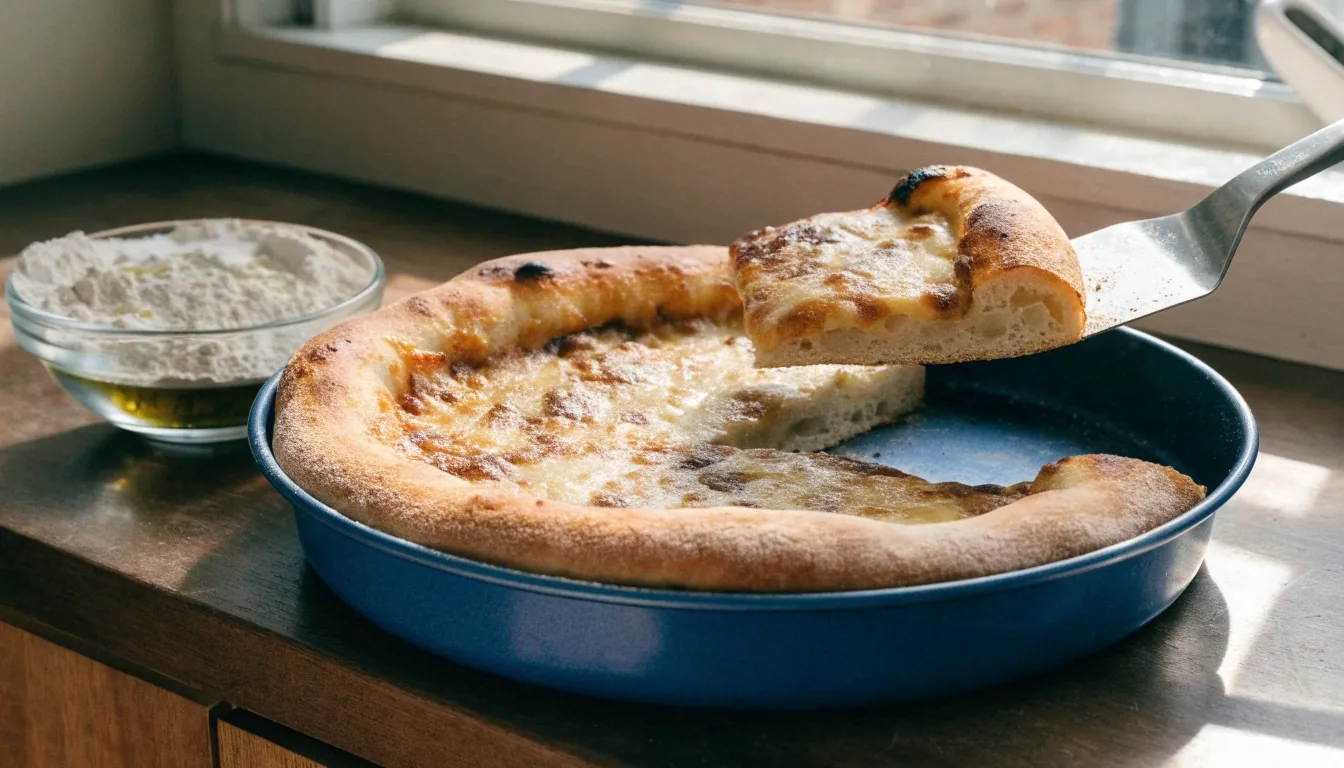
Baked in a rectangular steel or blue-steel pan, cheese pushed to the edges so it crisps against the sides.
Hard to ruin. Good when you want a crisp, cheesy edge without perfecting a round shape.
Neapolitan
A wetter dough and a very hot bake that wants high heat for a puffy rim and a soft center. The most demanding of the group.
Worth trying after you are comfortable with a home oven, or in a class where the heat is handled for you.
Still wondering
A few smaller questions we hear a lot
If your question is not covered here or in the sections above, the kitchen team answers messages directly from Monday to Friday, 9:00 AM to 6:00 PM, and Saturday, 10:00 AM to 4:00 PM.
Ask your own questionCan I use a stand mixer instead of mixing by hand?
Yes. Mix on low until the flour is absorbed, then a few minutes on a slightly higher speed until the dough clears the bowl. Finish the last bit by hand so you can feel when the dough is smooth rather than sticky.
How far ahead should I start a recipe before dinner?
Check the proofing window on the recipe. A same-day dough needs a few hours at room temperature, while an overnight cold ferment is mixed the evening before. Both are written out step by step so you can plan around your schedule.
Do the recipes work with gluten-free flour?
Gluten-free blends behave differently and need their own hydration and rest times, so we do not swap them one-for-one into the wheat recipes. If you bake gluten-free, tell us in a message and we will point you to what works.
What do I need to bring to an in-person class?
Just yourself and comfortable shoes. Dough, sauce, cheese, tools and aprons are set up at the bench when you arrive, and you take home what you bake.
Can I book a private session for a group?
Yes. Private sessions can be arranged at the Mulberry Street kitchen, and we can also run a live online session for a group cooking from different homes. Send the date and headcount through the contact page and the team will confirm what fits.
Ready to try the next step?
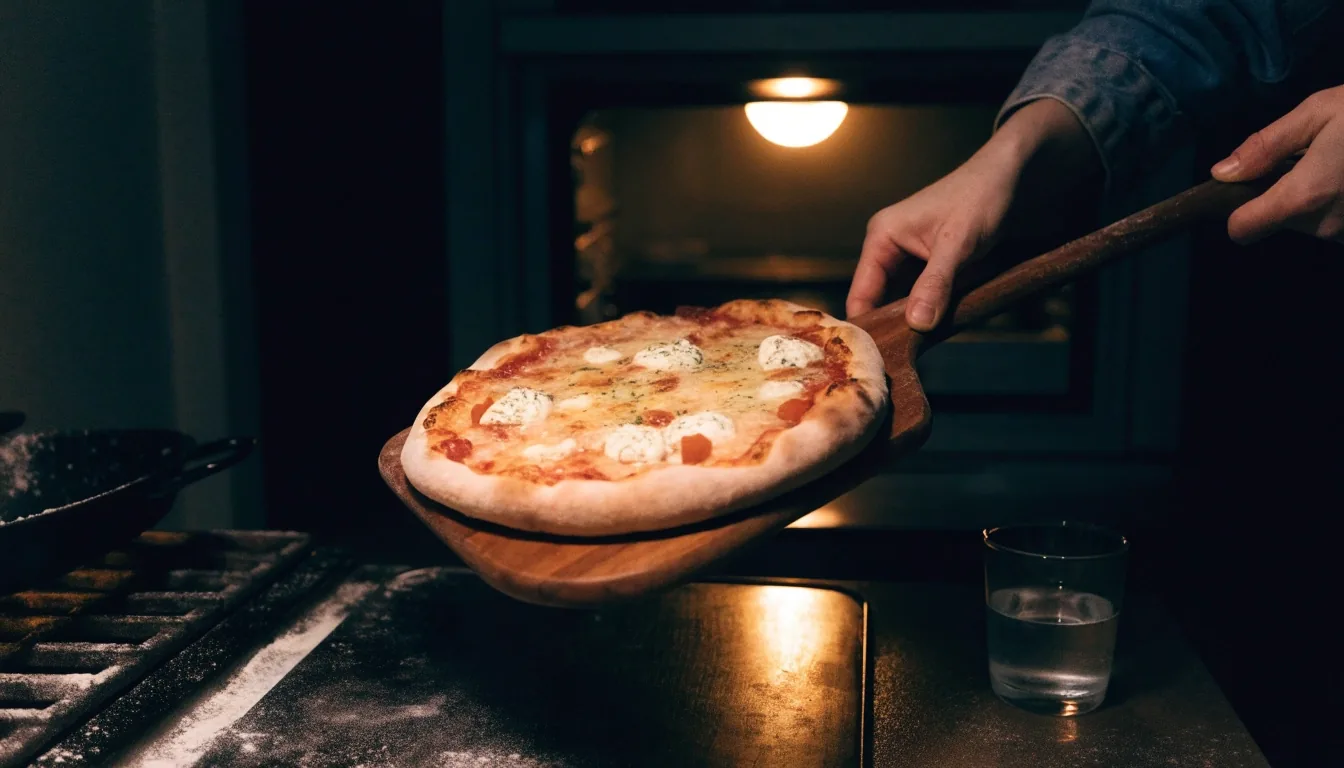
Pick a recipe, join a class, or ask the team directly. Dion's Pizza Deals answers questions at the Mulberry Street kitchen in New York, and by phone at +1-212-555-0194 during working hours.